Bear Doll Graffiti: Urban T-Shirt Design for Streetwear
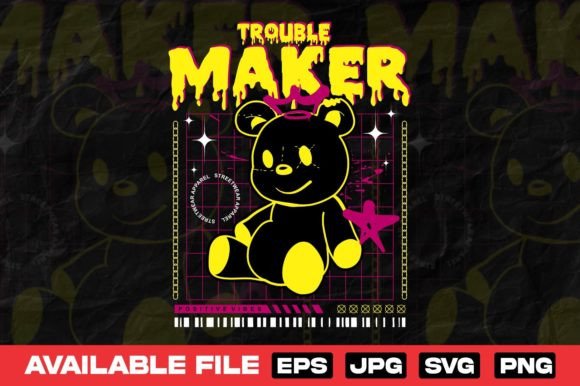
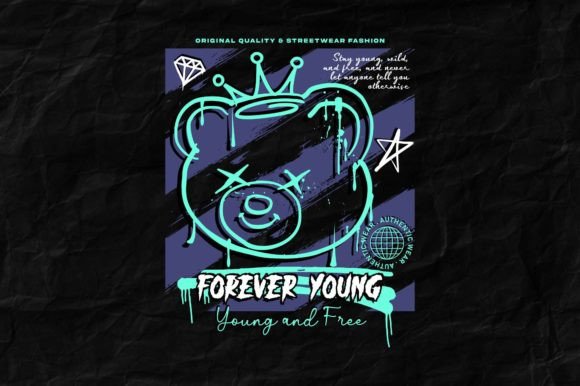
There's a specific kind of energy that defines modern streetwear—it's bold, unapologetic, and deeply rooted in urban culture. The Bear Doll Graffiti Urban T Shirt Design captures that energy perfectly, blending street art aesthetics with a character-driven illustration that demands attention. Whether you're building a clothing brand, creating merchandise for a creative project, or looking for standout artwork for digital printing and screen printing, this design delivers visual punch without compromising on versatility. It's the kind of asset that feels right at home on a heavyweight cotton tee, a canvas jacket, or even as a bold graphic element in a broader brand identity.
What Makes This Illustration Stand Out
At its core, this design merges the playful rebelliousness of graffiti culture with a stylized bear character that feels both contemporary and timeless. The "doll" aesthetic introduces a slightly surreal, toy-like quality—think vinyl toy culture meeting spray-paint artistry. The linework is clean enough for screen printing registration while carrying the raw, textured feel you'd expect from a hand-drawn urban illustration. That balance matters. Too rough, and you lose print clarity. Too polished, and you sacrifice the street credibility that makes designs like this resonate with audiences aged 16 to 35 who live and breathe this aesthetic.
The composition works well as a standalone chest print, a large back graphic, or even scaled down for sleeve placement. Because it's delivered in 100% vector format, you can resize it without any loss of quality—blow it up for a poster or shrink it down for a label, and every line stays crisp. That's not just convenient; it's essential for anyone working across multiple production methods and media sizes.
Practical Applications Beyond T-Shirts
While the name suggests apparel, the real value of a design like this lies in its adaptability. Consider how it fits into different creative workflows:
- Screen printing shops will appreciate the clean separations and bold contrast that make multi-color setups straightforward. The design's structure lends itself to spot color printing, which keeps production costs manageable for small batch runs.
- Digital printing (DTG, DTF, sublimation) benefits from the high-resolution JPEG files included, giving you print-ready artwork without hours of file prep.
- Brand identity projects—if you're developing a streetwear label, a skate brand, or even a music-related merchandise line, this kind of character-driven illustration becomes a recognizable brand asset. Think about how brands like The Hundreds or BAPE built entire identities around recurring characters and motifs.
- Social media content—crop sections of the design for Instagram posts, use the full illustration as a hero image for product launches, or incorporate it into story templates and highlight covers.
- Packaging and labels—for brands selling streetwear accessories, stickers, pins, or even craft beverages, this type of illustration adds personality to packaging that generic templates can't match.
- Event posters and flyers—urban music events, art shows, pop-up shops, and streetwear drops all benefit from graphics that speak the visual language of their audience.
- Digital products—if you sell design bundles, mockup templates, or printable art on platforms like Etsy or Creative Market, including a versatile urban illustration like this adds genuine value to your offerings.
Working With the Included Files
The package includes EPS and JPEG files, both fully editable and high resolution. Here's how to get the most out of each format:
The EPS vector file is your primary working file. Open it in Adobe Illustrator, Affinity Designer, or CorelDRAW to customize colors, adjust elements, or isolate parts of the design. Want to change the bear's color palette to match a client's brand guidelines? Swap out the background elements? Add a wordmark beneath the illustration? The vector format makes all of that possible without starting from scratch. This is where the "100% editable" promise actually pays off in real production scenarios.
The JPEG files serve as quick-use references or direct-to-print assets when you don't need to make modifications. They're high resolution, which means they work for both screen printing film output and digital direct-to-garment printing. If you're a small business owner who just needs to upload artwork to a print-on-demand service, the JPEG gets you there without opening design software.
For screen printing specifically, you'll likely want to separate the design into color layers within Illustrator or a dedicated separation program. The clean vector structure makes this process far less painful than working with rasterized artwork—a practical advantage that saves time and reduces errors on press.
Fitting This Design Into a Broader Visual Strategy
A single strong graphic doesn't make a brand, but it can anchor one. If you're building a streetwear line or a creative business with urban sensibilities, think about how the Bear Doll Graffiti design relates to your other visual elements. What typeface pairs well with it for hang tags and labels? A bold sans serif with condensed proportions tends to complement illustration-heavy streetwear graphics without competing for attention. Consider how your color palette across products creates cohesion—a limited palette of two to three colors repeated across tees, hoodies, and accessories builds recognition faster than a rainbow approach.
For editorial and content creation, this kind of illustration works beautifully as a visual anchor in blog headers, newsletter graphics, or YouTube thumbnails. It communicates a specific aesthetic immediately, which helps attract the right audience and set expectations before they read a single word. That's visual communication doing real work for your brand.
Small business owners and entrepreneurs often underestimate how much a distinctive illustration elevates perceived value. A generic stock graphic on a t-shirt reads as low-effort. A thoughtfully designed, character-driven piece like this one reads as intentional—and customers notice the difference, even if they can't articulate why.
Production Considerations Worth Noting
Before sending this design to production, keep a few practical points in mind. For screen printing on dark garments, you'll need an underbase white layer, which affects your color count and setup time. Discuss this with your printer early. For digital printing, ensure your color mode is set to CMYK for print accuracy rather than RGB, which can produce unexpected color shifts.
If you're applying the design to jackets, bags, or other non-standard surfaces, test print at actual size first. What looks balanced on a flat t-shirt mockup might need positioning adjustments on a zippered hoodie or a structured cap. The vector format makes these adjustments painless—scale, rotate, or reposition elements to fit different garment templates without quality loss.
For anyone licensing this design for commercial merchandise, verify the usage terms cover your intended production volume and distribution channels. Most quality design assets come with commercial licenses, but the specifics matter—especially if you're selling through third-party retailers or scaling to larger production runs.
Why Character-Driven Streetwear Graphics Still Win
In a market saturated with minimalist logos and text-only designs, a bold illustrated character cuts through noise. The Bear Doll Graffiti Urban T Shirt Design taps into a visual tradition that spans from 1980s graffiti culture to contemporary streetwear giants—it's a design language that communicates authenticity to audiences who care about where their clothes come from and what they represent. Whether you're printing your first batch of shirts or adding to an established product line, starting with artwork that carries genuine visual weight gives you a foundation worth building on.