Chevys, Hotrods, and Killer T-Shirt Design Vectors
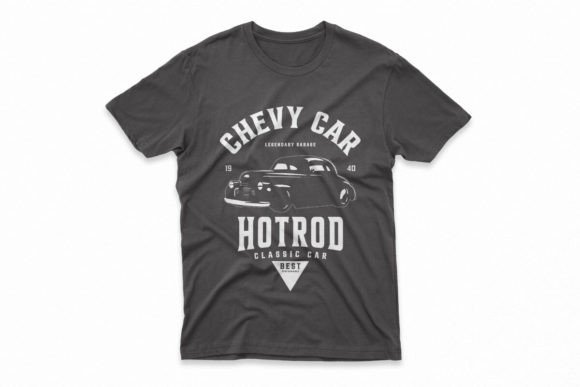
There’s a certain kind of magic in the silhouette of a classic Chevy. It’s not just a car; it’s a statement, a piece of rolling history, and for designers and entrepreneurs, it’s a powerful visual shorthand for rebellion, craftsmanship, and timeless cool. Capturing that essence in a digital asset that’s ready for production is where the real work begins. A well-executed Chevy hotrod car t-shirt design vector is more than just a pretty picture—it's a versatile foundation for a brand, a product line, or a creative project that needs to resonate with an audience that appreciates vintage Americana and automotive culture.
The Anatomy of a Compelling Hotrod Design
What makes a vector of a chopped, channeled, and supercharged '57 Bel Air so visually arresting? It’s the combination of bold lines, dramatic curves, and an inherent sense of motion. A great design doesn’t just replicate a car; it evokes the rumble of the engine, the glint of chrome under a garage light, and the smell of motor oil and ambition. This particular style of design asset thrives on contrast—the sleek, flowing fenders against the gritty texture of a suggested background, the clean typography against a distressed, vintage finish. It’s this balance that makes it work equally well on a crisp white tee or as the centerpiece of a complex poster layout.
When you’re evaluating a design like this, look beyond the initial "cool factor." Check the line work. In a high-quality vector file, the paths should be clean and scalable, meaning you can blow it up to the size of a billboard or shrink it down for a favicon without losing detail. The separation of elements is also key. Can you easily isolate the car from its background? Is the typography on a separate layer? This level of organization is what transforms a static image into a dynamic design tool, giving you the control to adapt it for countless applications.
From Garage to Global: Practical Applications Beyond the T-Shirt
While a hotrod graphic is a natural fit for apparel, its utility extends far into the realm of branding and marketing. For a small business—an auto detailer, a custom parts shop, a vintage-inspired barbershop, or even a specialty coffee roaster with a retro vibe—this design vector can become the cornerstone of a visual identity. Imagine it as the central element of a logo, simplified and refined. It could anchor the header of a website, set the tone for social media graphics, or add authentic character to packaging and merchandise like mugs, stickers, and hats.
Content creators and marketers in the automotive, lifestyle, or DIY spaces can leverage this asset to create instant audience connection. It’s a ready-made visual hook for blog post featured images, YouTube channel art, or Instagram story templates. The vector format is particularly valuable here, as it allows for endless customization. You can change colors to match a specific campaign palette, overlay text for announcements, or integrate it into more complex compositions for digital ads and email headers. The included high-resolution PNG with a transparent background is a lifesaver for quick mockups and presentations, letting you showcase your product idea on a realistic t-shirt template in minutes.
Maximizing Your Design Investment: File Formats and Workflow
A professional-grade design asset should come equipped to handle a professional workflow. This is where the specific file delivery becomes crucial. The provided ZIP file containing AI, EPS, PNG, and JPG files covers all the bases. The AI and EPS (specifically noted as version 10 compatibility) are your editable source files. This is where you make fundamental changes: altering colors, tweaking shapes, adjusting text, or deconstructing the design for other uses. The AI file is ideal for those working within the Adobe ecosystem, while the EPS ensures broader compatibility with other vector software like CorelDRAW or Affinity Designer.
The 3000x3000 pixel, 300 DPI PNG is your production-ready powerhouse. This resolution is more than sufficient for high-quality screen printing, DTG (Direct-to-Garment) printing, and even large-format print projects like posters. The transparency allows for seamless placement on any colored product or background. The JPG with a high-quality mockup serves a different, but equally important, purpose: presentation. Whether you’re pitching a design to a client, listing a product on an e-commerce store like Etsy or Redbubble, or creating a social media ad, a realistic mockup sells the vision. It helps potential customers see the final product, dramatically increasing its perceived value and conversion potential.
Strategic Design Choices for Maximum Impact
Having a great asset is one thing; using it effectively is another. Your choices in typography, color, and layout will determine the final impact. If the design features integrated text, consider its readability. A bold, blocky font might scream "muscle," but ensure it’s legible at the intended print size. If you’re pairing it with your own text, choose typefaces that complement the era and attitude—think condensed sans-serifs, vintage-inspired scripts, or rugged slab serifs. Avoid overly decorative or thin fonts that can get lost next to the strong lines of the car illustration.
Color is your next lever. The "100% Color Changeable" note is a significant benefit. Don’t just settle for the default. A monochrome black or charcoal version can feel more modern and versatile. A limited color palette using two or three spot colors can reduce printing costs and create a more cohesive, professional look for a brand. Test different combinations: a fiery orange and black for high energy, a classic red and cream for nostalgia, or a cool teal and silver for a more contemporary take on the retro theme.
Finally, think about context and audience. A design destined for a hardcore car show crowd might embrace more distressed textures and aggressive styling. The same core graphic for a broader lifestyle brand might benefit from cleaner lines and a more minimalist presentation. Always test your design mockups with your target market or use A/B testing on social media to see which version generates more engagement. This practical, iterative approach ensures your creative assets aren’t just visually appealing, but are also strategically aligned with your goals, helping you build recognition, foster engagement, and drive real-world results.